
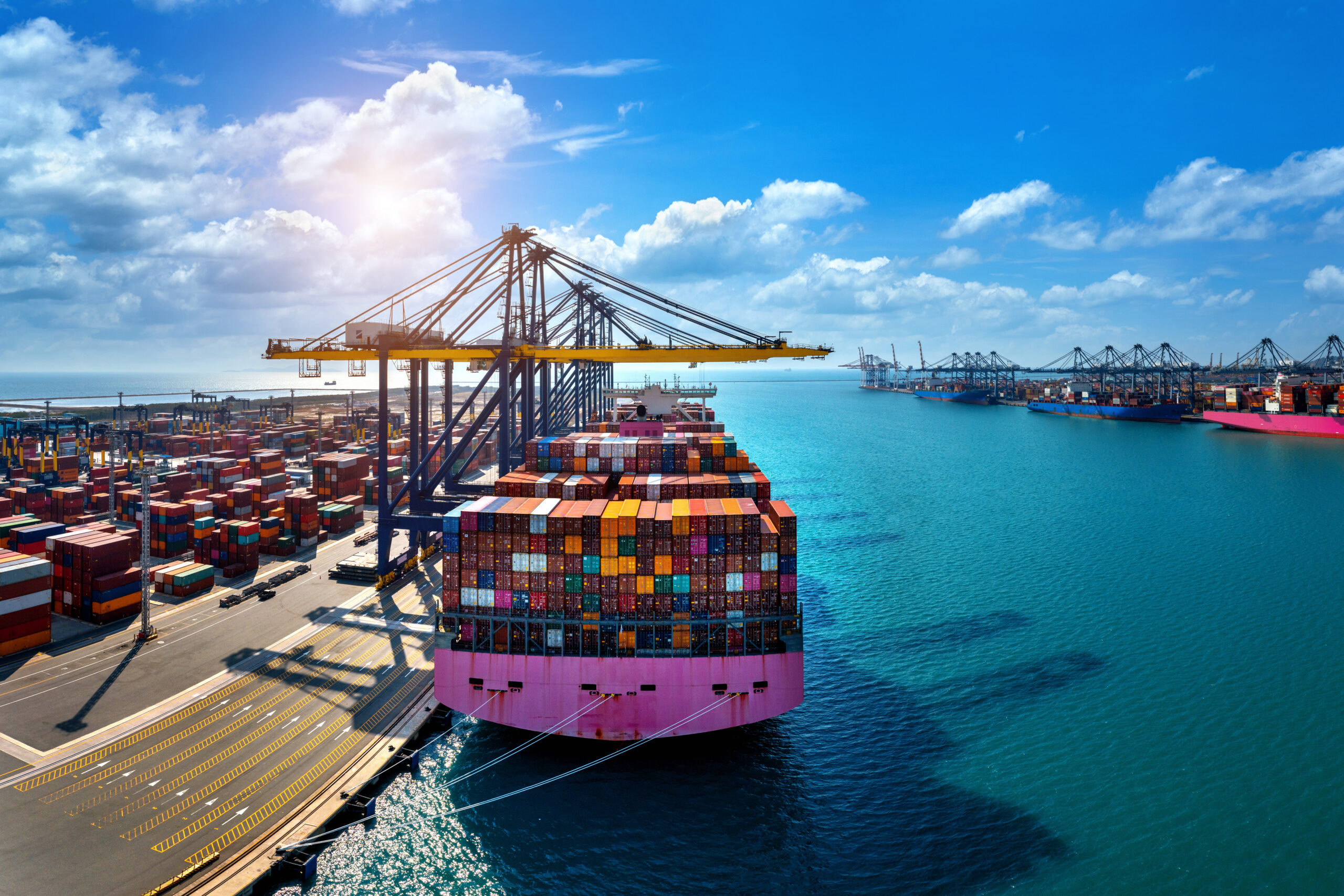
With the global economy undergoing significant transformations by 2026, the international shipping industry continues to play a vital role as the lifeblood of global trade. However, this is accompanied by complex fluctuations in freight rates and new regulations.
Below is a summary of key trends that import-export businesses need to be aware of in order to optimize costs and business plans.
1. Fluctuations in fares on key routes
In 2026, the market will see a clear differentiation between transportation routes:
-
Intra-Asia routes: Freight rates remain stable thanks to the boom in free trade agreements in the region. This remains the region with the largest volume of goods due to its flexible supply chain.
-
US & Europe routes: After a period of significant volatility, freight rates have stabilized but remain higher than pre-pandemic levels due to increased operating costs.
-
Port congestion: Although port technology has improved, the surge in mega-ships sometimes creates localized pressure at some major transshipment ports.
2. Regulations on “Green Transportation” and Environmental Surcharges
One of the biggest changes in 2026 is the full implementation of regulations on reducing greenhouse gas emissions (IMO 2023 and the latest updates).
-
Shipping companies have started charging additional clean fuel surcharges or carbon surcharges .
-
Switching to alternative fuels like methanol or ammonia increases the operating costs of new fleets, indirectly impacting final freight rates.
3. Digital technology in schedule tracking
Import and export customers in 2026 will not only need low prices but also transparency.
-
Smart Container: The trend of using smart containers equipped with location and temperature sensors is becoming increasingly popular.
-
Blockchain in documentation: The use of electronic bills of lading (e-Bill of Lading) helps shorten customs clearance time and minimize paperwork errors.
4. Advice for businesses to optimize logistics costs
To avoid being caught off guard by changes, businesses should:
-
Plan early: Book at least 2-3 weeks in advance for long-haul routes to secure space and good prices.
-
Diversify transportation methods: Consider combining multimodal transport (Sea-Air) if the cargo schedule is extremely tight.
-
Choosing a reliable partner: A forwarder with a wide network of agents like Searoad will help you access the original freight rates (Net rate) and quickly handle any issues that arise at the port.
Conclude
The shipping market in 2026 is promising but also presents many challenges. Understanding trends and preparing contingency plans will help businesses maintain a competitive advantage in the international market.